
On This Page
This series of posts presents key documents and refers to specialist legal advice received. It does not constitute definitive legal advice or interpretation. It aims to preserve an impartial and complete record for whomever it may concern, and any commentary, where included, is intended only to assist understanding of the documentary record.
All quotations are taken directly from original documents and are presented for the purpose of accurate historical record. Where documents contain personal data, this has been redacted where appropriate.
The material published forms a mix of: public domain documents; Crown copyright material reproduced under the Open Government Licence; and archival records, reproduced accurately and used fairly as part of the historical record.
Three Halls, Two Charities, One Hundred Years
A “Mulbarton Village Hall” has been provided for the benefit of Mulbarton residents for more than 100 years, operating through two successive charities and three different sites. The development of the hall buildings and charities over this period reflects significant volunteer effort by local residents.
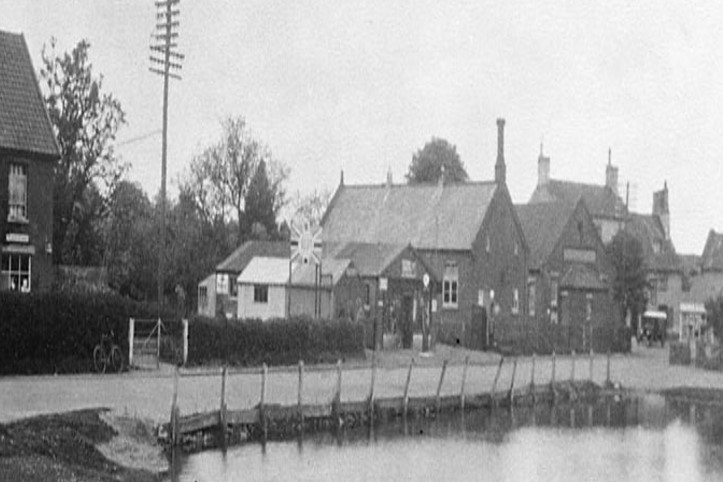
The first Charity was founded in 1921. The Reading Room, as it was then, next-door to the Methodist Chapel, was put into trusts, to be used as a Village Hall (Wingfield Hall), with a Social Club as the main user. The Social Club was open to men, over 16 years of age, “of good character”. The VH Trustees consisted of the Rector, who was obliged to take the Chair, and a handful of other local volunteers. For 55 years, this charity ran the hall, before the building fell into disrepair in the 1970s, and was sold, the charity being wrapped up, and all its assets invested into a new VH Charity, fit for a new era. After due process, the Charity Commission issued the necessary Court Order to vest assets and powers from the old VH charity into the new.
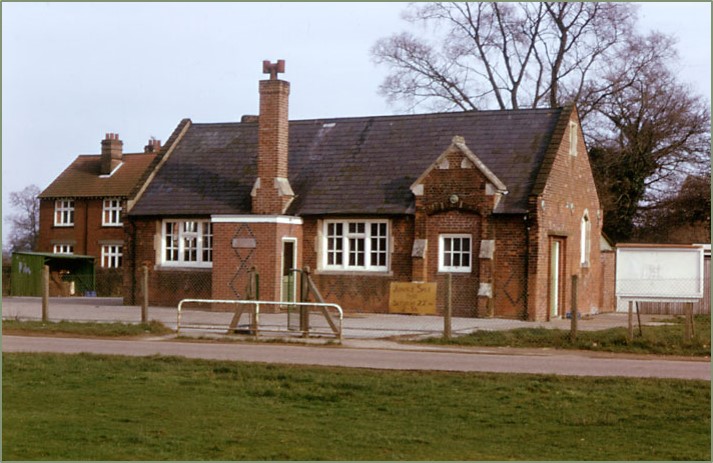
Wingfield sale proceeds contributed about 10% of funds to buy the old school in 1976, the other 90% coming from tremendous fundraising activity by Mulbarton residents, with festivals on the Common and huge effort over several years. The School had been built by the church in the 19th century and run by the church until the Local Authority took it over in 1946. With a growing population, a new school opened in 1969 south of the Common, and the old school made redundant, presenting villagers with an opportunity. As well as the incredible community effort raising funds, there was careful consideration given to the governing structure. The current charity was born, which ran the Village Hall on that “Old School” site for 13 years, before moving to the current site in 1989.
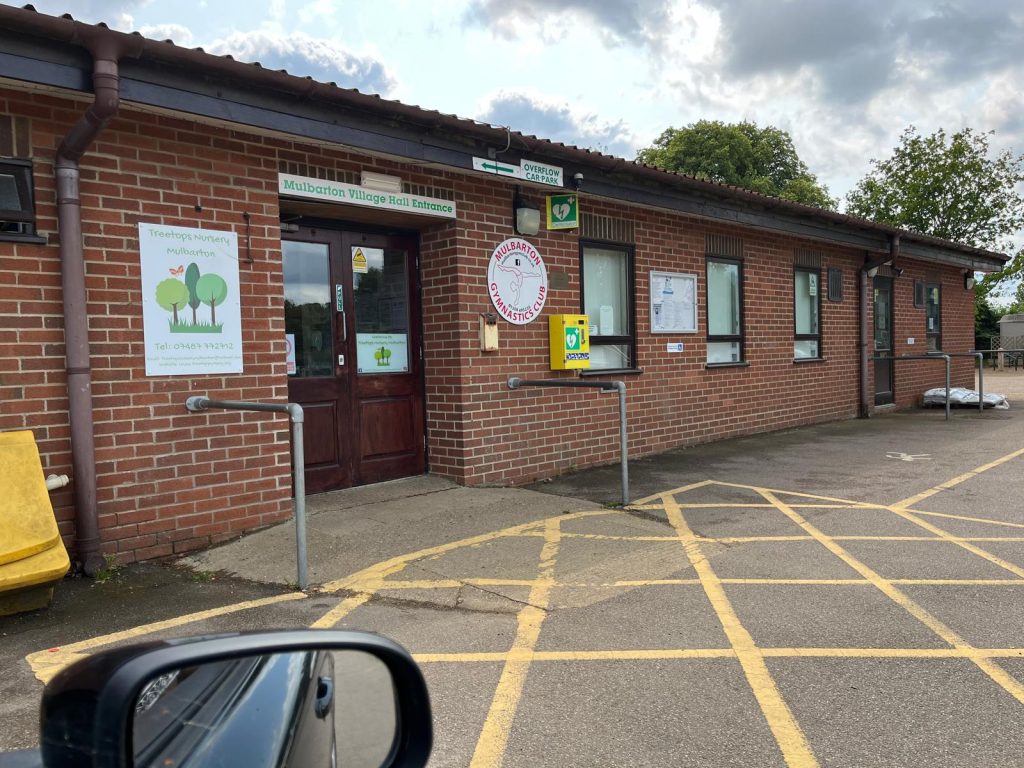
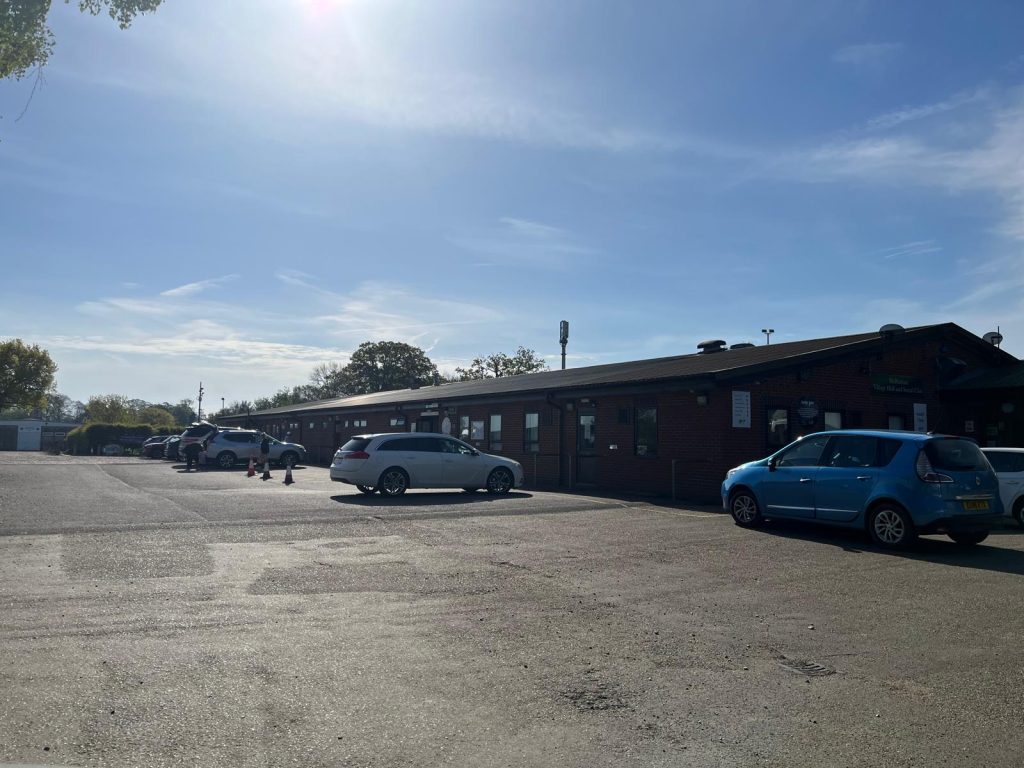
The move from the Old School to the current site in 1989 was a massive achievement for the community. Residents worked together to fund and build the current village hall. The move involved complex legal and financial arrangements relating to the charity and the land. We have all benefited from the hard work of those pioneers. However, documentation from the period suggests that uncertainty remained regarding property boundaries and the relationship between the charity and the parish council.
Recent History
Trustees are volunteers, trusted by residents to manage residents’ village hall. The Parish Council acts as custodian trustee, holding legal title to the property on behalf of the charity. At the start of 2022, the recovery of previously missing documents clarified some aspects of the history and highlighted areas where interpretation had differed.
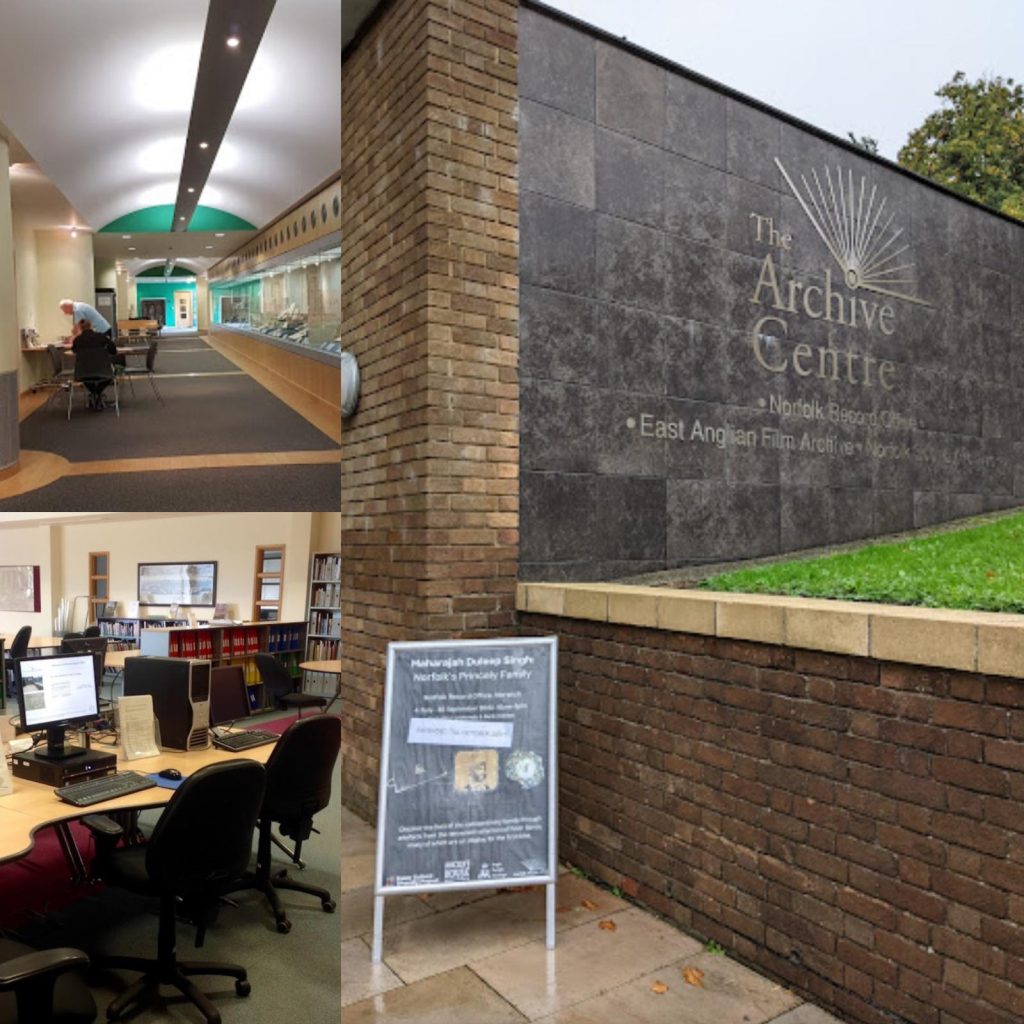
Managing trustees found a signed declaration from 1989, by the Parish Council as the legal title holder, that the property upon which the new centre was to be constructed, would be held on trust, as legally required for the sale of the Old School to go ahead. This declaration was addressed to the Charity Commission, without whose approval the necessary court orders could not be issued to allow the new hall to be built. The correspondence records the Parish Council, as legal title holder, confirming to the Charity Commission that the new hall would be built on “land belonging to the charity”, as part of the process required for the Charity Commission to authorise the scheme.
When trustees found this correspondence in 2022, they considered that the documents clarified aspects of the charity’s property position and shared their findings. The Parish Council and the Charity Trustees obtained separate independent legal advice.
The Charity Commission is unable to determine disputes about property ownership. It advises trustees of property charities to take appropriate professional advice when managing charity property, and to ensure clarity about what their charity holds on trust.
In Short
Missing documents had led to uncertainties. Some things had been unclear since moving to the current VH site in 1989. In 2022, trustees recovered a full set of documents, and received expert legal advice, which highlighted unresolved issues, and provided direction for how to resolve them.
This site is provided as a documentary record of the material referenced. Readers may draw their own conclusions.
Key Area of Uncertainty
One issue came to stand out, namely the precise boundary of the protected charity property. It had not been exactly specified what property was held on trust. The documentation records that “the land on which the hall was built” would be held on trust, but did not make clear whether that referred to:
- only the property required to deliver VH facilities (main buildings, gardens, car park)
- the whole 2.56 acre property conveyed to Parish Council in 1985, on which VH was constructed (including play park, scout HQ land, tennis court), i.e. the property defined on the title deed for the land on which the VH was constructed.
- the property on which VH charity pay business rates, registered with SNDC, and which receives 80% mandatory Charity rate relief (1985 property excl. Scout HQ)
- all property in which Charity funds were invested (excl. Scout HQ, skate park; incl. tennis court, Mulberry Park)
- property which the Charity had been formally requested to manage in trusts (incl. Orchard Park)
- the full 10 acre site, including the two plots purchased to extend the site (1985 land, plus Mulberry and Orchard)
At an EGM in April 2023, residents voted by a majority of over 75% in support of option 2. No other options were considered at that time, since trustees then believed that there was consensus locally about that trajectory.
Skip to PDF contentA seventh option would be to take the property out of trusts altogether. To accomplish that is more of a process. It would require closing the Charity, with a sensible succession plan, authorised by the Charity Commission, and vesting assets and powers via a court order in a third party, the same as happened for the Reading Room Charity in 1976. This process has not happened, and might require defining existing boundaries first anyway.
There are different financial, management, maintenance and insurance implications, and different processes involved with regularising different boundaries; but with boundaries unclear, and without a formal declaration of trust defining boundaries, there remains potential for confusion or disagreement, and no legal documentation to tell trustees precisely what property is held on trust for them to manage.
Leave a Reply